

What Is Sushi-Grade Fish? Is It Safe to Eat Raw at Home?

You see "sushi-grade" on a label and assume it means the fish is officially certified safe to eat raw. It does not. There is no government body that stamps a fish sushi-grade. What actually keeps raw fish safe is something else entirely, and it is worth understanding before you make sashimi at home.
This guide covers what sushi-grade really means, whether it is an official term, what actually makes raw fish safe, why freezing matters, which fish are eaten raw, whether you can trust supermarket labels, and how to handle raw fish at home.
What Is Sushi-Grade Fish?
Sushi-grade fish is fish that a seller judges to be high enough in quality, and handled correctly enough, to be served raw. The same idea is often called sashimi-grade. In practice it points to fish that is very fresh, carefully cut, kept cold, and, where needed, frozen to kill parasites.
The important thing to understand is that the term describes a standard the seller is claiming, not a certificate anyone issued. That is why the trust you place in the source matters so much. A reputable seafood house that handles raw-ready fish every day is making a very different claim from a sticker slapped on a supermarket tray.
Is "Sushi-Grade" an Official Term?
No. "Sushi-grade" and "sashimi-grade" are not official, regulated terms. There is no government agency in the United States that grades or certifies a fish as sushi-grade. Any seller can use the words on any fish.
That does not make the term meaningless. A serious supplier uses it to signal fish they would eat raw themselves. It just means the words alone are not a guarantee. What sits behind them, the sourcing, the handling and the freezing, is what actually counts.
What Actually Makes Raw Fish Safe to Eat?
Three things make raw fish safe: how it is handled, how fresh and clean it is, and whether it has been frozen to destroy parasites. The last one is the part most people miss.
- ✓Handling: the fish is bled, gutted and iced quickly after the catch, then kept cold the whole way
- ✓Quality: the flesh is fresh and clean, with good colour, firm texture and a clean sea smell
- ✓Freezing: for most species, freezing to a set temperature and time to kill any parasites
- ✓Trusted source: a supplier who handles raw-ready fish routinely and stands behind it
Why Freezing Matters for Raw Fish
Wild fish can carry small parasites, most commonly a nematode called Anisakis. Cooking kills them, but if you plan to eat the fish raw, freezing is the control that makes it safe. This is why so much "fresh" sushi at restaurants was actually frozen at some point first.
The FDA sets out the freezing needed to destroy parasites in fish that will be eaten raw. In simple terms, the fish must be either:
- ✓Frozen at -4°F (-20°C) or below for at least 7 days, or
- ✓Frozen at -31°F (-35°C) or below until solid, then held at that temperature for at least 15 hours
The Exceptions: Tuna and Farmed Fish
Not every fish carries the same parasite risk, and the rules reflect that. Two well-known exceptions come up again and again.
Tuna. Certain tuna species, including bluefin, are recognised as low risk for the parasites that concern raw fish, so they are generally treated as an exception to the freezing requirement. This is part of why fresh, high-quality bluefin is so prized for sashimi and nigiri.
Farmed fish on a controlled diet. Fish raised on formulated feed, with no exposure to the wild prey that spreads parasites, can also qualify for an exemption. Much of the salmon eaten raw today is farmed for exactly this reason.

Which Fish Are Commonly Eaten Raw?
Once the safety side is handled, the fish that shine raw are the ones with clean flavour and good texture. These are the classics you see on a sushi or sashimi menu:
- ✓Bluefin tuna (maguro) and toro: firm, rich red meat, with the fatty belly toro prized above all
- ✓Hamachi (yellowtail): buttery, sweet and delicate, a sushi-bar favourite
- ✓Salmon: clean and rich, one of the most popular raw fish, usually farmed for raw use
- ✓Uni (sea urchin) and roe: uni, ikura (salmon roe) and tobiko (flying fish roe) for texture and brine
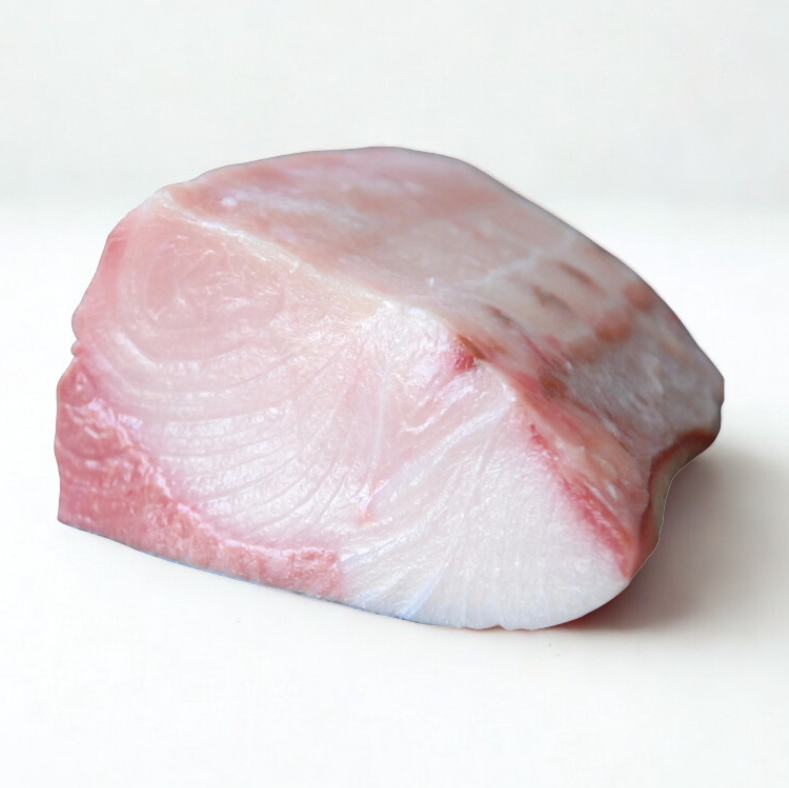
We land wild bluefin off our own docks in Gloucester from June through December, and offer the loin as pre-cut, skin-off, bloodline-off portions. As the water cools in late fall and winter, the tuna build fat and produce the marbled belly we sell as toro. Alongside them we carry sashimi-ready hamachi, salmon, uni, ikura and tobiko.
Can You Trust a Supermarket "Sushi-Grade" Label?
Not on the label alone. Because the term is not regulated, a supermarket sticker is only as trustworthy as the store behind it. The question to ask is not whether the package says sushi-grade, but whether the seller actually handles fish to a raw-ready standard.
A few things worth checking before you buy fish to eat raw:
- ✓Does the seller specialise in seafood and sell raw-ready fish regularly?
- ✓Can they tell you what the fish is, where it is from and how it was handled?
- ✓Does the fish look and smell clean, with firm flesh and no strong fishy odour?
- ✓Is it kept properly cold, and for a species that needs it, has it been frozen correctly?
How to Handle Raw Fish at Home
Once you have good fish from a source you trust, a little care keeps it at its best right up to serving.
- ✓Keep it cold: store it in the coldest part of the fridge and use fresh raw fish within a day or two
- ✓Thaw frozen fish in the fridge: thaw slowly, never on the counter or in warm water
- ✓Stay clean: use a clean board and a sharp knife, and keep raw fish away from other foods
- ✓Slice cold, serve cold: keep it chilled until the last moment, then slice with a sharp knife
Anyone pregnant, very young, elderly or with a weakened immune system should be cautious with raw fish and may want to avoid it. If in doubt, ask your seller or cook the fish instead.
Ready to make your first plate? Our bluefin tuna tartare recipe is a simple, impressive way to start with raw tuna, and our guide to storing seafood covers keeping everything at its best.
Frequently Asked Questions
Shop Sashimi-Ready Seafood
Wild bluefin landed at our own docks in Gloucester, plus sashimi-ready hamachi, salmon and roe. Review each product page for its cut, size and handling before you buy.
More From Intershell
Keep exploring with these guides and recipes.