

How to Cook Shrimp: Boil, Grill, Sauté & Bake

 Seafood Recipes
Shrimp is one of the most popular seafood choices in America, and for good reason. It is quick, versatile, and cooks in just a few minutes. The main challenge is knowing when to stop, because shrimp can go from tender and sweet to tough and rubbery very quickly. This guide shows you how to cook shrimp successfully by several common methods.
This guide covers how to cook shrimp by sauteing, boiling, grilling, and baking, plus how to choose and thaw shrimp, how to peel and devein them, exact cook times by size, and how to tell the moment they are done.
Choosing Shrimp
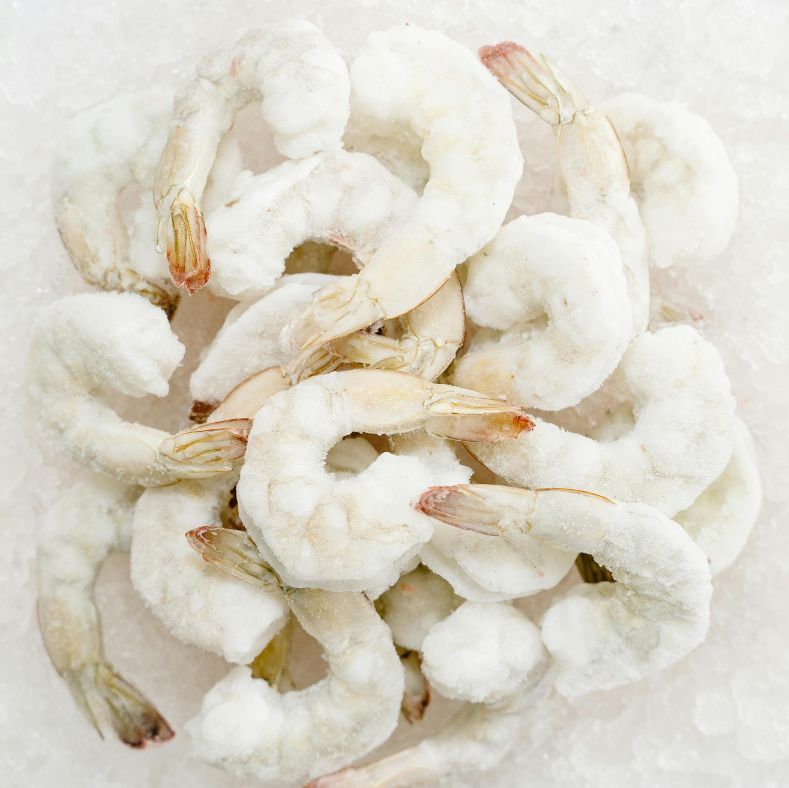
Much of the shrimp sold in U.S. markets has been frozen, and frozen shrimp can be an excellent choice because rapid freezing helps preserve quality after harvest. A few choices affect how you cook it.
Raw vs Cooked
Raw shrimp give you full control over seasoning and texture and are best for most recipes. Raw peeled and deveined shrimp are the most convenient, while cooked shrimp only need thawing and are perfect for shrimp cocktail, salads, and cold platters.
Shell-On vs Peeled
Shell-on shrimp hold a little more flavor and moisture and are great for grilling, boils, and peel-and-eat. Peeled and deveined shrimp are faster for weeknight cooking. You can leave the tail on for presentation or remove it for easy eating.
Wild vs Farmed
Wild-caught domestic and farm-raised shrimp can differ in origin, production method, flavor, and texture. Intershell's wild-caught Gulf shrimp are specifically listed as all natural, chem-free, domestic, and never farmed. Flavor and texture can also vary by species, handling, and personal preference. To go deeper, read our guide on why wild USA shrimp is worth it.
Shrimp Size
Shrimp are sold by count per pound, so a smaller number means a bigger shrimp. Sizes are covered in detail in the cooking times section below. Larger shrimp are easier to cook without overcooking and are ideal for grilling and shrimp cocktail, while smaller shrimp work well in pasta and fried rice. To plan how much to buy, see our seafood portion guide.
How to Thaw Frozen Shrimp
Thaw shrimp before cooking for the most even results. There are two safe ways:
- 1In the refrigerator (best)Place the shrimp in a covered bowl in the fridge for about 12 hours or overnight. Cook within a day of thawing.
- 2In cold water (fast)Place the shrimp in a leak-proof bag and submerge it in cold water for 15 to 20 minutes, changing the water once if needed. Cook immediately after thawing. Do not thaw shrimp in warm water or on the counter.
- 3In the microwave (only if cooking immediately)Use the defrost setting and stop while the shrimp are still icy but pliable. Cook them immediately after thawing.
How to Peel and Devein Shrimp
If your shrimp are not already peeled and deveined, it takes only a minute:
- 1Peel the shellPull off the legs, then peel the shell away from the body. Leave the tail on for presentation or pinch it off for easy eating.
- 2DeveinRun a small knife shallowly along the back curve and lift out the dark line with the tip of the knife or your fingers. The line commonly called the vein is the shrimp's digestive tract. It is generally safe to eat after proper cooking, but many cooks remove it for appearance, texture, and to avoid possible grit. Pat the shrimp dry before cooking.
How to Saute or Pan-Sear Shrimp
Sauteing is the fastest and most popular way to cook shrimp, and it is the base for garlic butter shrimp, shrimp scampi, and skillet dinners.
- 1Dry and seasonPat the thawed shrimp completely dry and season with salt and pepper. Dry shrimp sear instead of steaming.
- 2Heat the panHeat a tablespoon of oil or butter in a skillet over medium-high heat until shimmering.
- 3Add in a single layerAdd the shrimp in one layer without crowding the pan. Cook undisturbed for about 1.5 to 2 minutes, until the underside is lightly browned and the flesh is beginning to turn opaque.
- 4Flip onceTurn the shrimp and cook another 1 to 2 minutes, until the flesh is firm, pearly, and opaque throughout. Remove them right away so they do not overcook.
How to Boil Shrimp
Boiling is the classic method for shrimp cocktail, shrimp salad, and any dish where you want plain, tender shrimp to serve cold or fold into a recipe.
- 1Bring a large pot of salted water to a rolling boil. You can add lemon, bay leaves, or seafood seasoning for flavor.
- 2Add the thawed shrimp and cook for about 2 to 3 minutes for large shrimp, just until the flesh is firm, pearly, and opaque throughout.
- 3Drain immediately. For cold dishes, plunge the shrimp into a bowl of ice water to stop the cooking and keep them snappy.
How to Grill Shrimp
Grilling adds a smoky char that pairs perfectly with sweet shrimp. Larger shell-on or skewered shrimp work best so they do not fall through the grates.
- 1Preheat the grill to medium-high, around 400 to 450 degrees F. Thread the shrimp onto skewers and brush with oil or a marinade.
- 2Grill for about 2 to 3 minutes per side, until the shrimp are pink, opaque, and lightly charred.
- 3Serve straight off the grill with lemon, garlic butter, or a dipping sauce.
How to Bake or Roast Shrimp
Baking is hands-off and great for cooking a large batch at once on a sheet pan.
- 1Preheat the oven to 400 degrees F. Toss the thawed shrimp with oil or melted butter, garlic, and seasoning, and spread them in a single layer on a baking sheet.
- 2Bake for about 8 to 10 minutes, until the shrimp are pink and opaque. Larger shrimp take a little longer.
- 3For a quick broil finish, run them under the broiler for the last minute for a lightly caramelized top.
For breaded or coconut shrimp, deep frying at 350 to 375 degrees F gives the crispiest result. See our guide to frying seafood at home, or skip the work with ready-to-fry coconut shrimp.
Shrimp Cooking Times by Size
Cook time depends on the size of the shrimp and the cooking method. Sizes are labeled as a count per pound, and a smaller number means a larger shrimp. Use the first table as a starting point for pan-searing or boiling, and always confirm doneness by checking that the flesh is firm, pearly, and opaque.
| Shrimp Size | Count Per Pound | Approx Pan-Sear or Boil Time |
|---|---|---|
| Colossal / Jumbo | U-15 to 16/20 | 4 to 6 min |
| Extra Large | 21/25 | 3 to 4 min |
| Large | 26/30 | 3 min |
| Medium | 41/50 | 2 min |
| Small (salad) | 51/70 | 1 to 2 min |
By Cooking Method
| Method | Heat | Time | Best For |
|---|---|---|---|
| Saute / pan-sear | Medium-high | 2 to 3 min total | Weeknight dinners, scampi, garlic butter |
| Boil | Rolling boil | 2 to 3 min | Shrimp cocktail, salads, cold dishes |
| Grill | 400 to 450 degrees F | 2 to 3 min per side | Skewers, smoky flavor |
| Bake / roast | 400 degrees F | 8 to 10 min | Sheet pan, large batches |
| Deep fry | 350 to 375 degrees F | 2 to 3 min | Coconut and breaded shrimp |
How to Tell When Shrimp Are Done
Shrimp cook in just a few minutes and can overcook quickly, so knowing the signs of doneness is important. FoodSafety.gov advises cooking shrimp until the flesh is pearly or white and opaque. The FDA also states that most seafood should reach 145 degrees F (63 degrees C).
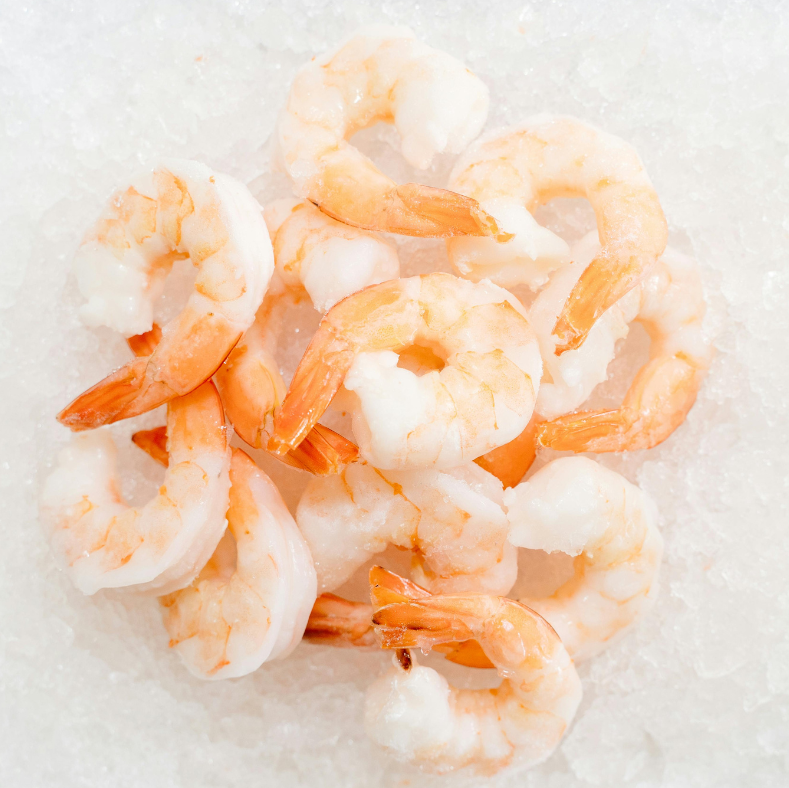
Look for these three signs together:
- ✓For most raw gray shrimp, the shell and surface turn pink or coral
- ✓The flesh changes from grey and translucent to white and opaque
- ✓The shrimp often curl into a gentle C shape
Shrimp often curl into a gentle C shape as they cook. A very tight curl can be a sign of overcooking, but shape alone is not a food-safety test. Use firmness and fully opaque flesh as the primary signs, and remove the shrimp promptly once done because carryover heat continues cooking them briefly.
Common Shrimp Mistakes to Avoid
Almost every tough or bland shrimp comes down to one of these:
- ✕Overcooking, which is the number one cause of rubbery shrimp
- ✕Cooking from frozen without adjusting the method or time, which can lead to uneven results
- ✕Not patting the shrimp dry, so they steam instead of sear
- ✕Crowding the pan, which traps steam and prevents browning
- ✕Skipping salt and seasoning, when a little goes a long way
- ✕Walking away from the pan, since shrimp cook in seconds
Best Seasonings and What to Serve With Shrimp
Shrimp pair with almost anything. Classic flavors include garlic butter, lemon, Cajun or Old Bay seasoning, chili and lime, and herbs like parsley and cilantro. For a meal, serve shrimp over pasta or rice, in tacos, on a salad, alongside grilled vegetables, or as part of a seafood boil. For cocktail shrimp, chill them well and serve with a tangy cocktail sauce.
Garlic Butter Shrimp Recipe
Easy Garlic Butter Shrimp
- Prep: 10 min
- Cook: 4 min
- Total: 14 min
- Serves: 4
Ingredients
- ✓1 lb large shrimp (21/25 or 26/30), peeled, deveined, thawed
- ✓2 tablespoons butter
- ✓1 tablespoon olive oil
- ✓4 cloves garlic, minced
- ✓½ lemon, juiced
- ✓2 tablespoons chopped parsley, plus salt, pepper, and a pinch of red pepper flakes
Instructions
- 1Pat the shrimp completely dry and season with salt and pepper.
- 2Heat the butter and olive oil in a large skillet over medium-high heat until shimmering.
- 3Add the shrimp in a single layer and cook undisturbed for about 1.5 to 2 minutes until pink underneath.
- 4Flip, add the garlic and red pepper flakes, and cook another 1 to 2 minutes until the shrimp are firm, pearly, and opaque throughout.
- 5Remove from the heat, squeeze in the lemon juice, toss with parsley, and serve immediately.
Frequently Asked Questions
Shop Intershell Shrimp
Explore Intershell's shrimp selection, including chem-free wild-caught domestic Gulf shrimp, raw and cooked IQF shrimp, and prepared options. Product origin, ingredients, sourcing, and preparation vary by item, so review each product page before ordering.
More Seafood Guides and Recipes
Keep cooking with these Intershell guides.