


Lobster Meat vs Lobster Tails: Which Should You Buy?
Compare lobster meat and lobster tails by taste, texture, price, cooking use, convenience, and recipe fit. Learn which one to buy for lobster rolls, pasta, grilling, surf and turf, and easy dinners.
Buy lobster meat for recipes. Buy lobster tails for presentation.
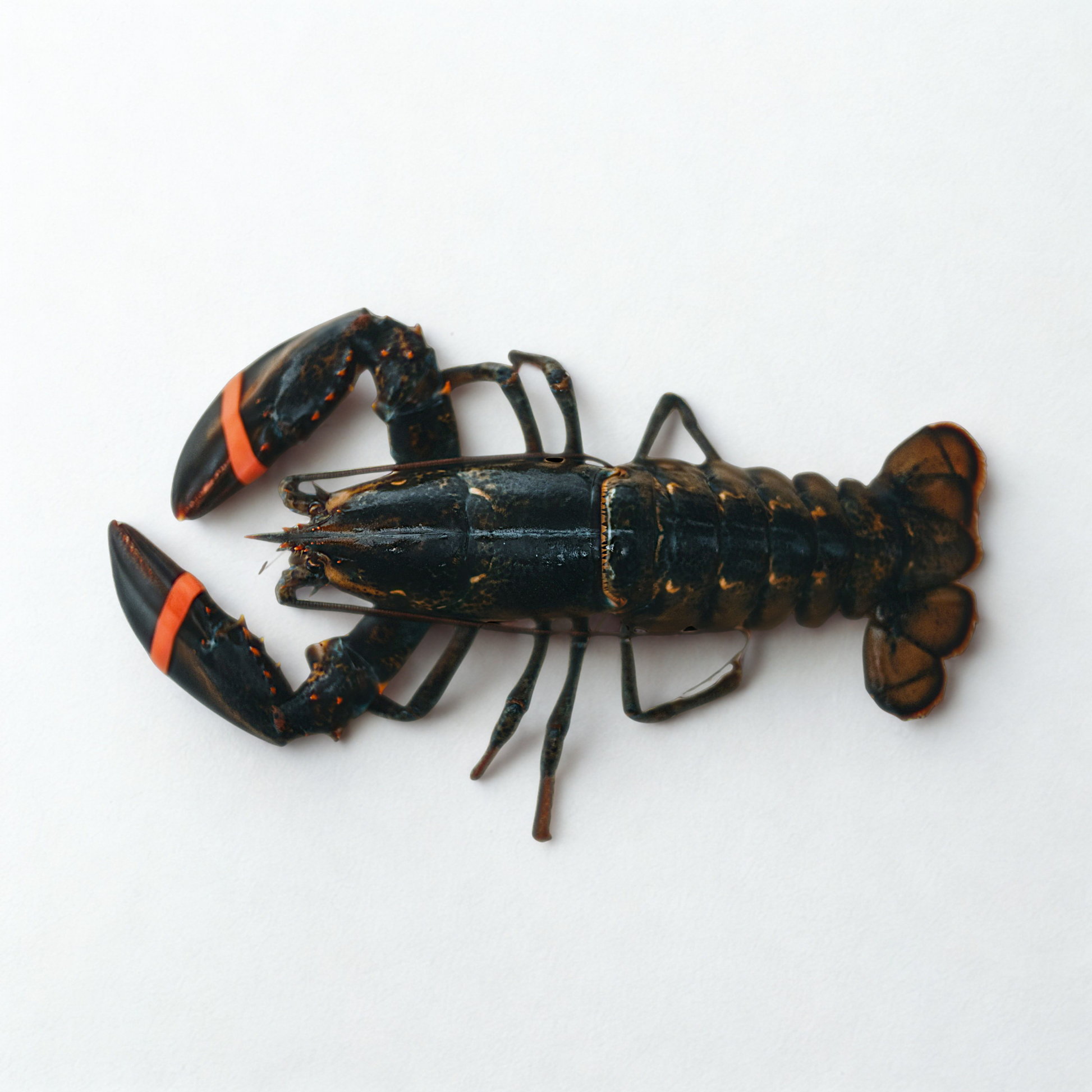
Quick Answer: Lobster Meat vs Lobster Tails
Lobster meat is the better choice when you want convenience, easy recipes, lobster rolls, lobster pasta, bisque, lobster salad, or mac and cheese. Lobster tails are the better choice when you want a beautiful main dish, grilled lobster, baked lobster tails, surf and turf, or a restaurant-style plate.
The biggest difference is preparation. Lobster meat is already removed from the shell, so it saves time and works well in mixed recipes. Lobster tails are still in the shell, so they take more work but give better presentation and a firmer bite.
For most home cooks, the simple rule is this:
Buy lobster meat for recipes. Buy lobster tails for presentation.

Lobster Meat
Ready-to-use meat for lobster rolls, pasta, bisque, salad, and mac and cheese.
Shop Lobster Meat
Lobster Tails
Whole tail portions for grilling, broiling, baking, surf and turf, and special dinners.
Shop Lobster TailsLobster Meat vs Lobster Tails Comparison Table
| Feature | Lobster Meat | Lobster Tails |
|---|---|---|
| Best for | Rolls, pasta, bisque, salad, mac and cheese | Grilling, baking, broiling, surf and turf |
| Preparation | Already removed from shell | Must be cooked and removed from shell |
| Texture | Mixed texture from tail, claw, and knuckle | Firm, meaty, and uniform |
| Flavor | Sweet, rich, and tender | Sweet, clean, and firmer |
| Convenience | Very easy | More hands-on |
| Presentation | Best inside recipes | Best as a plated main dish |
| Cooking skill needed | Low | Medium |
| Best buyer | Busy home cooks, restaurants, lobster roll lovers | Special dinners, grilling, steak pairings |
| Common product type | Fresh lobster meat, frozen lobster meat, cooked lobster meat | Raw or frozen lobster tails |
| Best use case | Mixed dishes | Standalone lobster entrée |
Picked lobster meat for fast recipes
Use lobster meat when you want sweet North Atlantic lobster flavor without cracking shells or doing extra prep.
What Is Lobster Meat?
Lobster meat is meat removed from the lobster shell. It may include tail meat, claw meat, knuckle meat, leg meat, or a mix of these parts. The most common premium blend is TCK lobster meat, which means tail, claw, and knuckle meat.
TCK lobster meat gives you different textures in one pack:
- Tail meat is firmer and meatier.
- Claw meat is softer, sweeter, and more delicate.
- Knuckle meat is tender, rich, and often considered one of the sweetest parts.
Picked lobster products are commonly sold as tail, claw, and knuckle meat, and they may be available raw or cooked depending on the supplier. According to the NOAA Fisheries American Lobster species profile, American lobster (Homarus americanus) is harvested primarily from the Gulf of Maine and Georges Bank, which is where most premium lobster meat in North America comes from.
Fresh lobster meat and frozen lobster meat from trusted North Atlantic processors typically include a blend of tail, knuckle, and claw meat. This makes it useful for lobster rolls, bisque, pasta, seafood stuffing, lobster salad, and other recipes where you want real lobster flavor without cracking shells.
Frozen lobster tails for special dinners
Choose lobster tails when you want a steakhouse-style plate, a grilled seafood entrée, or classic surf and turf.
What Are Lobster Tails?
Lobster tails are the tail section of the lobster, usually sold in the shell. They are popular because they look impressive on the plate and contain firm, meaty lobster meat.
Lobster tails are often used for:
- Grilled lobster tails
- Baked lobster tails
- Broiled lobster tails
- Butter-poached lobster tails
- Surf and turf
- Seafood platters
- Holiday dinners
- Date-night meals
NOAA Fisheries notes that American lobster tail meat is firmer than claw meat, which is one reason lobster tails are often used for grilling, broiling, and steakhouse-style plates.
Frozen North Atlantic lobster tails that are flash-frozen at peak freshness give the best results for restaurant-quality meals at home.
Main Difference Between Lobster Meat and Lobster Tails
The main difference between lobster meat and lobster tails is convenience vs presentation.
Lobster meat is already picked from the shell. It is faster, easier, and better for recipes where the lobster gets mixed into sauce, bread, pasta, or soup.
Lobster tails are still in the shell. They require more prep, but they look better as a main dish. A butterflied lobster tail on a plate has a visual appeal that loose lobster meat does not.
Simple buyer rule:
Choose lobster meat if you want easy cooking.
Choose lobster tails if you want a showpiece meal.
Taste Difference
Both lobster meat and lobster tails taste sweet, clean, and rich, but the texture changes the eating experience.
Lobster meat often has more variety because it can include claw, knuckle, and tail pieces. This gives you a mix of soft, tender, juicy, and firm bites.
Lobster tails have a more consistent texture. The meat is firmer, thicker, and more uniform. This makes lobster tails feel more like a steak-style seafood entrée.
Which tastes better?
It depends on the recipe.
Lobster meat tastes better in lobster rolls, pasta, bisque, mac and cheese, and salad because the smaller pieces mix well with sauces and seasonings.
Lobster tails taste better when grilled, baked, broiled, or served whole with butter because the firm tail meat stands on its own.
Texture Difference
Texture is one of the biggest reasons to choose one over the other.
Lobster meat texture
Lobster meat can include different parts of the lobster, so the texture is more varied.
- Tail pieces are firm.
- Claw pieces are soft and sweet.
- Knuckle pieces are tender and juicy.
This makes lobster meat ideal for recipes where every bite should have a little lobster flavor.
Lobster tail texture
Lobster tail meat is firmer and meatier. It has more chew than claw or knuckle meat. This is why tails are popular for grilling and broiling.
If you want lobster that feels like a main protein, choose lobster tails.
If you want lobster that blends into a recipe, choose lobster meat.
Lobster Meat Parts Explained: Tail, Claw, and Knuckle
When buying lobster meat, you may see terms like TCK, CK, claw meat, knuckle meat, or all-tail meat. Here is what they mean.
Tail meat
Tail meat is firm, clean, and meaty. It holds its shape well and looks nice in plated dishes. Tail meat is best for recipes where appearance matters.
Best uses:
- Lobster pasta
- Lobster salad
- Lobster tacos
- Lobster risotto
- Plated lobster dishes
Claw meat
Lobster claw meat is softer and often sweeter than tail meat. It is tender and works well in rich recipes.
Best uses:
- Lobster rolls
- Lobster mac and cheese
- Lobster bisque
- Lobster stuffing
- Warm buttered lobster meat
Knuckle meat
Knuckle meat comes from the joint area between the claw and body. It is tender, juicy, and flavorful.
Best uses:
- Lobster rolls
- Lobster salad
- Bisque
- Seafood stuffing
- Pasta
TCK lobster meat
TCK means tail, claw, and knuckle. It is one of the best all-purpose lobster meat options because it gives you a mix of flavor, texture, and shape. For product details and current options, see our fresh lobster meat with tail, claw, and knuckle pieces.
For most buyers, TCK lobster meat is the best choice for everyday recipes.
Which Is Better for Lobster Rolls?
Lobster meat is better for lobster rolls.
A lobster roll needs tender pieces that mix well with butter, mayo, lemon, herbs, or a toasted bun. TCK lobster meat is ideal because it includes claw and knuckle meat, which are tender and sweet, plus tail meat for a firmer bite.
Lobster tails can be used for lobster rolls, but they are not the most practical option. You have to cook the tail, remove the meat, chop it, and then mix it into the roll. That takes more time and usually costs more.
Best choice for lobster rolls
Fresh lobster meat or frozen cooked lobster meat is the best choice for lobster rolls. If you want a traditional New England style, see our lobster roll recipe for step-by-step instructions.
Fresh cooked lobster meat that is ready to use and made with tail, knuckle, and claw meat is a strong fit for classic lobster rolls.
How Much Lobster Meat Goes in a Lobster Roll?
Most lobster rolls use about 3 to 4 ounces of lobster meat per roll. A lighter roll may use 2.5 ounces, while a large restaurant-style lobster roll may use 4 to 5 ounces.
A 1 lb pack of lobster meat can usually make about 4 standard lobster rolls, depending on how full you make each roll.
Simple serving guide:
| Lobster Meat Amount | Approximate Use |
|---|---|
| 4 oz | 1 full lobster roll |
| 8 oz | 2 lobster rolls |
| 1 lb | 4 lobster rolls |
| 2 lb | 8 lobster rolls |
This is why lobster meat is easier for party planning. You can calculate portions without guessing how much meat is inside each shell.
Which Is Better for Pasta?
Lobster meat is better for pasta.
Pasta needs bite-size lobster pieces that can spread through the sauce. Lobster meat works well in cream sauce, garlic butter sauce, tomato sauce, and seafood pasta because it is already picked and easy to fold into the dish.
Best lobster meat for pasta:
- TCK lobster meat
- Claw and knuckle meat
- Cooked lobster meat
- Fresh lobster meat
- Frozen lobster meat, thawed properly
Lobster tails can also work for pasta, but they are better when grilled or broiled first and placed on top of the pasta for presentation.
Best choice for pasta
Use lobster meat if you want lobster mixed into the sauce.
Use lobster tails if you want a whole lobster tail served on top.
Which Is Better for Grilling?
Lobster tails are better for grilling.
The shell protects the meat from direct heat, and the tail shape makes it easy to butterfly, season, and place on the grill. Grilled lobster tails also look better on the plate than loose lobster meat.
Lobster meat can be warmed in butter or added to grilled dishes, but it is not the best choice for direct grilling because small pieces can dry out or fall apart.
Best choice for grilling
Lobster tails are the best choice for grilling. They are firm, easy to season, and ideal for melted butter, lemon, garlic, paprika, and herbs. For prep details and current sizes, see our frozen North Atlantic lobster tails.
Which Is Better for Surf and Turf?
Lobster tails are better for surf and turf.
A steak with a butterflied lobster tail looks premium and restaurant-style. The firm tail meat pairs well with steak, drawn butter, mashed potatoes, asparagus, and roasted vegetables.
Lobster meat can also be used for surf and turf, especially as a topping over steak, but it does not create the same visual impact.
Best choice for surf and turf
Choose lobster tails for classic surf and turf.
Choose lobster meat if you want to make lobster-topped steak, lobster butter sauce, or lobster mashed potatoes.
Which Is Better for Bisque?
Lobster meat is better for bisque.
Bisque needs lobster flavor in every spoonful. Small pieces of lobster meat work better than whole tails because they mix evenly into the soup.
For deeper flavor, lobster bodies and shells can also be used for stock. Many seafood processors sell lobster bodies for stock, broth, and bisque at a lower price point than picked meat.
Best choice for bisque
Use lobster meat for the finished soup. Use lobster bodies or shells for stock and broth.
Which Is Better for Lobster Salad?
Lobster meat is better for lobster salad.
Lobster salad needs chilled, tender pieces that mix well with lemon, celery, herbs, mayo, or light dressing. Claw and knuckle meat are especially good because they stay tender when chilled.
Lobster tails can be used, but they need to be cooked, chilled, removed from the shell, and chopped first.
Best choice for lobster salad
Use fresh cooked lobster meat or thawed frozen cooked lobster meat.
Which Is Better for Lobster Mac and Cheese?
Lobster meat is better for lobster mac and cheese.
The goal is to spread lobster through the dish, not keep it in one large piece. Lobster meat gives you sweet chunks in every serving. TCK lobster meat works well because the tail pieces hold shape while claw and knuckle pieces add sweetness.
Lobster tails can work, but they are usually more expensive and less convenient for this type of recipe.
Best choice for lobster mac and cheese
Use cooked lobster meat, preferably tail, claw, and knuckle.
Fresh Lobster Meat vs Frozen Lobster Meat
Both fresh lobster meat and frozen lobster meat can be excellent. The best choice depends on how soon you plan to cook.
Fresh lobster meat
Fresh lobster meat is best when you plan to use it soon. It is ideal for lobster rolls, lobster salad, pasta, and chilled seafood dishes.
Choose fresh lobster meat when:
- You want the cleanest fresh taste.
- You plan to eat it within a short window.
- You are making lobster rolls or chilled recipes.
- You want ready-to-use convenience.
Premium fresh lobster meat is hand-shucked and cooked at Gloucester, MA processing facilities and sold as a blend of tail, claw, and knuckle meat.
Frozen lobster meat
Frozen lobster meat is best when you want convenience and longer storage. It is useful for planning meals ahead or keeping lobster ready for recipes.
Choose frozen lobster meat when:
- You want lobster available anytime.
- You are making bisque, pasta, mac and cheese, or stuffing.
- You are buying in bulk.
- You want to reduce waste.
Quality frozen cooked lobster meat is hand-shucked, flash-frozen, and sold in tail, knuckle, and claw blends. According to FDA guidance on selecting and serving seafood safely, properly flash-frozen seafood can retain quality comparable to fresh when handled correctly.
Fresh Lobster Meat vs Lobster Tails
Fresh lobster meat is better for speed and recipes. Lobster tails are better for presentation and whole-piece cooking.
Choose fresh lobster meat if you want:
- Lobster rolls
- Lobster pasta
- Lobster salad
- Lobster bisque
- Lobster mac and cheese
- Easy meal prep
Choose lobster tails if you want:
- Grilled lobster tails
- Baked lobster tails
- Broiled lobster tails
- Butterflied lobster tails
- Surf and turf
- A special dinner plate
Frozen Lobster Meat vs Frozen Lobster Tails
Frozen lobster meat and frozen lobster tails serve different needs.
Frozen lobster meat is already picked from the shell. It is easy to thaw and add to recipes.
Frozen lobster tails still need cooking and shell removal, but they give better presentation.
Which frozen option should you buy?
Buy frozen lobster meat for quick recipes. Buy frozen lobster tails for grilling, baking, or special dinners. Both options are available in our lobster meat and lobster tails collection.
Cooked Lobster Meat vs Raw Lobster Tails
Cooked lobster meat is ready to use after thawing or warming. Raw lobster tails must be cooked properly before eating.
Cooked lobster meat is best for:
- Lobster rolls
- Lobster salad
- Quick pasta
- Seafood dips
- Mac and cheese
- Ready-to-eat meals
Raw lobster tails are best for:
- Grilling
- Broiling
- Baking
- Butter-poaching
- Surf and turf
If you want the easiest option, buy cooked lobster meat. If you want to control the cooking and presentation, buy lobster tails.
How to Cook Lobster Tails
Lobster tails can be baked, broiled, grilled, steamed, or boiled. The most popular method is baking or broiling with butter.
Simple baked lobster tail method
- Thaw frozen lobster tails in the refrigerator overnight.
- Cut the top shell lengthwise with kitchen shears.
- Gently lift the meat above the shell for a butterflied look.
- Brush with melted butter, garlic, lemon, and light seasoning.
- Bake or broil until the meat turns pearly and opaque.
Do not overcook, or the tail meat will become tough.
According to FoodSafety.gov guidance on safe minimum cooking temperatures, shrimp, lobster, and crab should be cooked until the flesh is pearly and opaque, with a safe minimum internal temperature of 145°F for seafood.
How to Cook Lobster Meat
If the lobster meat is already cooked, you only need to warm it gently. Do not boil it hard or cook it for a long time.
Best ways to warm cooked lobster meat
- Warm in melted butter over low heat.
- Fold into hot pasta sauce at the end.
- Add to bisque right before serving.
- Mix cold into lobster salad.
- Add to mac and cheese after the sauce is made.
Cooked lobster meat can become rubbery if overheated. Treat it like a delicate ingredient, not raw meat.
Simple butter-warmed lobster meat method
- Melt butter on low heat.
- Add thawed lobster meat.
- Warm for 1 to 2 minutes.
- Add lemon, parsley, or light seasoning.
- Remove from heat as soon as warm.
Can You Freeze Lobster Meat?
Yes, lobster meat can be frozen when handled properly. Frozen lobster meat is a practical option for home cooks and restaurants because it gives longer storage and easy recipe planning.
For best results:
- Keep lobster meat frozen until ready to use.
- Thaw in the refrigerator, not on the counter.
- Use thawed lobster meat quickly.
- Do not refreeze repeatedly.
- Warm gently to avoid rubbery texture.
Frozen lobster meat is especially useful for lobster bisque, lobster pasta, seafood stuffing, and lobster mac and cheese.
How to Thaw Frozen Lobster Meat or Lobster Tails
The best way to thaw frozen lobster meat or lobster tails is in the refrigerator overnight.
Refrigerator thawing
This is the safest and best method.
- Keep the lobster sealed.
- Place it in the refrigerator overnight.
- Cook or use it the next day.
Cold-water thawing
Use this method if you need a faster thaw.
- Keep the lobster sealed in a bag.
- Place it in cold water.
- Change the water every 30 minutes.
- Cook or use once fully thawed.
Do not thaw lobster at room temperature. The USDA Food Safety and Inspection Service confirms that room-temperature thawing creates conditions where harmful bacteria can grow rapidly.
Lobster Meat for Sale: What Buyers Should Check
When searching for lobster meat for sale, do not choose only by price. Lobster is a premium seafood, so quality, species, handling, and source matter.
Before buying lobster meat, check:
Species: Look for American lobster or Maine lobster when you want true cold-water lobster. American lobster is listed by NOAA as Homarus americanus.
Meat type: Check whether it is tail, claw, knuckle, TCK, CK, or mixed meat.
Fresh or frozen: Fresh is best for immediate use. Frozen is better for storage.
Cooked or raw: Cooked lobster meat is ready to use. Raw lobster meat needs proper cooking.
Source and processing: Choose suppliers that explain where the lobster comes from and how it is handled.
No imitation: Make sure you are buying real lobster, not imitation lobster meat or langostino labeled in a confusing way.
For current options, see our lobster meat and lobster tails collection.
Lobster Meat Near Me vs Buying Lobster Online
Many people search for "lobster meat near me" or "where to buy lobster meat near me." Local seafood markets can be a good option, but quality depends on the store, turnover, and sourcing.
Buying lobster online can be better when the supplier clearly explains:
- Harvest area
- Species
- Fresh or frozen status
- Shipping method
- Processing location
- Whether the meat is tail, claw, knuckle, or mixed
- How quickly it ships
For customers who want Gloucester-processed lobster, Intershell is a strong option because its lobster meat is cooked, hand-shucked, and processed at its Gloucester, MA facility. You can browse current options on our fresh lobster meat product page or frozen lobster tails product page.
Maine Lobster Meat vs Lobster Tails
"Maine lobster meat" usually refers to meat from American lobster, often harvested in Maine, Massachusetts, or nearby cold North Atlantic waters. It may include tail, claw, and knuckle meat.
Lobster tails can come from different lobster species, including cold-water and warm-water lobster. If you want American lobster, check the label for Homarus americanus.
Quality lobster meat sourced from the Gulf of Maine, Massachusetts, Maine, or Canada will list the scientific name Homarus americanus on the product page. Browse our lobster meat and lobster tails collection for cold-water lobster options from North Atlantic sources.
Lobster Meat Color: What Do Green, Pink, and White Mean?
People often search for terms like green lobster meat, pink lobster meat, or blue lobster meat. Some color differences are normal, while others need caution.
White or ivory lobster meat
Cooked lobster meat is usually white, ivory, or slightly creamy. This is normal.
Pink or red tones
Some lobster meat may have pink or red tones, especially near the shell or with roe. Roe can turn red when cooked.
Green inside lobster
The green substance inside a lobster is usually tomalley, which functions like the liver and pancreas. The FDA has issued advisories warning consumers against eating lobster tomalley because it can accumulate biotoxins such as Paralytic Shellfish Poisoning (PSP) toxins. These advisories apply to tomalley specifically, not typical lobster tail or claw meat.
Blue lobster
Blue lobster usually refers to the shell color of rare live lobsters, not blue-colored cooked meat. Proper cooked lobster meat should not be blue.
Simple rule: If lobster meat smells sour, feels slimy, has an unusual color, or looks spoiled, do not eat it.
Imitation Lobster Meat vs Real Lobster Meat
Imitation lobster meat is not the same as real lobster meat. It is often made from surimi (processed white fish), flavoring, and binders. It may be cheaper, but it does not have the same texture, sweetness, or value as real lobster.
Real lobster meat should clearly identify the lobster source or species. For American lobster, look for Homarus americanus.
If you are making lobster rolls, lobster pasta, or a premium seafood dish, real lobster meat is the better choice.
Lobster Meat vs Langostino Lobster
Langostino is not the same as American lobster. It is a different crustacean (often Pleuroncodes monodon or Munida gregaria) and is usually smaller and cheaper. Some products use the term "langostino lobster," which can confuse buyers. The FDA permits langostino to be labeled with the word "lobster" only with qualifying language, but it is not biologically the same animal.
Langostino can be tasty, but it should not be confused with Maine lobster meat or American lobster meat.
If you want true lobster flavor for lobster rolls, bisque, pasta, or special dinners, choose real American lobster meat.
Which Is More Expensive: Lobster Meat or Lobster Tails?
Lobster meat often looks more expensive per pound because the shell has already been removed. But that price is for edible meat, not shell weight.
Lobster tails may look cheaper per piece, but part of the weight is shell. You also have to do more prep.
Cost comparison
| Buying Option | What You Pay For | Value Point |
|---|---|---|
| Lobster meat | Mostly edible meat | More convenient, less waste |
| Lobster tails | Meat plus shell | Better presentation |
| Whole lobster | Meat plus shell/body | Traditional experience, more work |
For recipes, lobster meat can be the better value because you use nearly everything you buy. For special dinners, lobster tails can be worth it because of their presentation.
Which Should Restaurants Buy?
Restaurants should buy both, depending on the menu.
Restaurants should buy lobster meat for:
- Lobster rolls
- Lobster bisque
- Lobster mac and cheese
- Lobster pasta
- Lobster salad
- Seafood stuffing
- Brunch dishes
- Quick service items
Restaurants should buy lobster tails for:
- Surf and turf
- Grilled lobster entrées
- Broiled lobster tails
- Wedding and event plates
- Seafood towers
- Premium dinner specials
For restaurants, lobster meat saves labor. Lobster tails create higher visual value. For wholesale pricing and bulk options, see our restaurant and wholesale seafood page.
Which Should Home Cooks Buy?
Home cooks should buy based on cooking confidence.
Buy lobster meat if:
- You want something easy.
- You do not want to crack shells.
- You are making lobster rolls.
- You are cooking pasta or bisque.
- You want a fast weeknight seafood meal.
Buy lobster tails if:
- You want a special dinner.
- You like grilling or broiling.
- You want a steakhouse-style plate.
- You want lobster served whole in the shell.
- You are comfortable cooking seafood carefully.
For beginners, lobster meat is easier. For presentation, lobster tails are better.
Best Recipes for Lobster Meat
Lobster meat is best for recipes where the meat is mixed, folded, warmed, or chilled.
Best lobster meat recipes include:
- Lobster rolls
- Lobster salad
- Lobster bisque
- Lobster mac and cheese
- Lobster pasta
- Lobster ravioli filling
- Lobster grilled cheese
- Lobster tacos
- Lobster dip
- Lobster stuffing
- Lobster omelet
- Lobster risotto
If the recipe says "add cooked lobster meat," buying ready-to-use lobster meat saves a lot of time. Browse our full lobster recipe collection for tested ideas.
Best Recipes for Lobster Tails
Lobster tails are best for recipes where the tail stays whole or mostly whole.
Best lobster tail recipes include:
- Grilled lobster tails
- Baked lobster tails
- Broiled lobster tails
- Butter-poached lobster tails
- Garlic butter lobster tails
- Lobster tails with steak
- Lobster tails with lemon herb butter
- Seafood platter lobster tails
- Holiday lobster dinner
If the recipe focuses on presentation, use lobster tails.
Common Mistakes When Buying Lobster
Mistake 1: Buying lobster tails for lobster rolls
You can do it, but it creates extra work. Lobster meat is easier and usually better for rolls.
Mistake 2: Overcooking lobster tails
Lobster tails can turn rubbery quickly. Cook just until the meat is pearly and opaque.
Mistake 3: Boiling cooked lobster meat
Cooked lobster meat only needs gentle warming. Boiling it again can ruin the texture.
Mistake 4: Confusing imitation lobster with real lobster
Always check the label. Real lobster should identify the species or source.
Mistake 5: Choosing only by price
Cheap lobster may not be the best value if it has poor texture, unclear sourcing, or too much shell waste.
Final Verdict: Lobster Meat or Lobster Tails?
Lobster meat and lobster tails are both great choices, but they are best for different meals.
Choose lobster meat if you want convenience, easy cooking, lobster rolls, pasta, bisque, mac and cheese, lobster salad, or seafood stuffing. It saves time, reduces mess, and works well in recipes where lobster is mixed into the dish.
Choose lobster tails if you want a beautiful main dish, grilled lobster, baked lobster tails, broiled lobster tails, or surf and turf. Tails take more work, but they give better presentation and a firmer bite.
For everyday cooking, lobster meat is the smarter choice. For special dinners, lobster tails are the better showpiece.
The best option depends on your recipe, your time, and how you want the lobster to appear on the plate.
Ready to choose? Browse fresh lobster meat, frozen lobster meat, or frozen lobster tails from cold North Atlantic waters.
FAQs
Is lobster meat better than lobster tails?
Lobster meat is better for convenience, lobster rolls, pasta, bisque, salad, and mac and cheese. Lobster tails are better for grilling, baking, broiling, surf and turf, and restaurant-style presentation.
What is the difference between lobster meat and lobster tails?
Lobster meat is already removed from the shell and may include tail, claw, and knuckle pieces. Lobster tails are the tail section still in the shell and are usually cooked whole for presentation.
Which is better for lobster rolls?
Lobster meat is better for lobster rolls because it is already picked, tender, and easy to mix with butter, mayo, lemon, or herbs.
Which is better for grilling?
Lobster tails are better for grilling because the shell protects the meat and creates a better plated presentation.
Is frozen lobster meat good?
Yes, frozen lobster meat can be very good when it is processed and frozen properly. It is convenient for bisque, pasta, lobster rolls, mac and cheese, and seafood stuffing.
Is fresh lobster meat better than frozen lobster meat?
Fresh lobster meat is best when you plan to use it right away. Frozen lobster meat is better for storage, meal planning, and keeping lobster available for future recipes.
How do you cook lobster tails?
Thaw the tails, cut the top shell, lift the meat slightly, brush with butter, and bake, broil, grill, or steam until the meat becomes pearly and opaque. According to FoodSafety.gov, seafood should reach a minimum internal temperature of 145°F.
How do you cook cooked lobster meat?
Cooked lobster meat should be warmed gently. Use low heat with butter, add it at the end of pasta or bisque, or serve it chilled in lobster salad.
Can you freeze lobster meat?
Yes, lobster meat can be frozen when handled properly. Keep it sealed, freeze it quickly, thaw in the refrigerator, and avoid repeated refreezing.
What is TCK lobster meat?
TCK lobster meat means tail, claw, and knuckle meat. It gives a mix of firm tail pieces, tender claw meat, and sweet knuckle meat.
What is lobster claw meat best for?
Lobster claw meat is best for lobster rolls, bisque, salad, mac and cheese, and warm buttered lobster because it is soft, sweet, and tender.
Is lobster tail meat tougher than claw meat?
Yes, lobster tail meat is usually firmer and meatier than claw meat. Claw meat is softer and more delicate.
How much lobster meat do you need for a lobster roll?
Most lobster rolls use about 3 to 4 ounces of lobster meat. A 1 lb pack usually makes about 4 standard lobster rolls.
Is imitation lobster meat real lobster?
No, imitation lobster meat is not the same as real lobster meat. It is usually made from surimi, other seafood, and flavoring. Real lobster meat should clearly identify the lobster source or species.
What is the green stuff in lobster?
The green substance is usually tomalley, which functions like the lobster's liver and pancreas. The FDA has issued advisories against eating lobster tomalley because it can accumulate biotoxins.
Shop lobster meat and lobster tails from Intershell
Choose fresh lobster meat for easy recipes, frozen lobster meat for meal prep, or North Atlantic lobster tails for a special dinner plate.
Related Reading
- Lobster Meat & Lobster Tails Collection
- Fresh Lobster Meat - Tail, Knuckle & Claw
- Shop Lobster Meat & Lobster Tails
- Crafting the Perfect Lobster Roll: Your Way
- Frozen North Atlantic Lobster Tails
- Lobster Bisque Recipe Using Frozen Lobster Meat
Authoritative Sources Referenced