

Clam Sizes Explained: Littleneck vs Cherrystone vs Quahog (Size Chart)

Littleneck, topneck, cherrystone and quahog sound like four different clams. They are not. They are all the same clam, the northern hard clam (Mercenaria mercenaria), sold under different names as it grows. Once you know the sizes, you know exactly which clam to buy for a raw bar, a pot of linguine, a tray of stuffies or a big batch of chowder.
This guide gives you a simple clam size chart, explains how clams are measured, compares littlenecks, cherrystones and quahogs side by side, and shows which size to buy for every dish.
Clam Size Chart
Use this chart as a buying guide. The numbers are approximate. Clam sizes are not standardized, so every harvester and market grades a little differently.
| Size name | Shell width (across) | Hinge thickness | Clams per pound | Best for |
|---|---|---|---|---|
| Countneck | Under about 1.5 in | About 1 in (legal minimum) | More than littlenecks | Pasta, steaming |
| Littleneck | 1.5 to 2 in | About 1 in | 10 to 13 | Raw on the half shell, steamed, linguine |
| Middleneck | 2 to 2.5 in | About 1.25 in | 7 to 9 | Same uses as littlenecks |
| Topneck | 2.5 to 3 in | About 1.5 in | 5 to 7 | Raw, grilled, steamed, appetizers in the shell |
| Cherrystone | 3 to 4 in | About 2 in | 3 to 4 | Clams casino, stuffed clams, grilling, thick chowder |
| Chowder clam / Quahog | 4 in and up | Over 2 in | 1 to 2 | Chowder, stuffies, clam cakes, fritters, clam pie |
Are Littlenecks, Cherrystones and Quahogs the Same Clam?
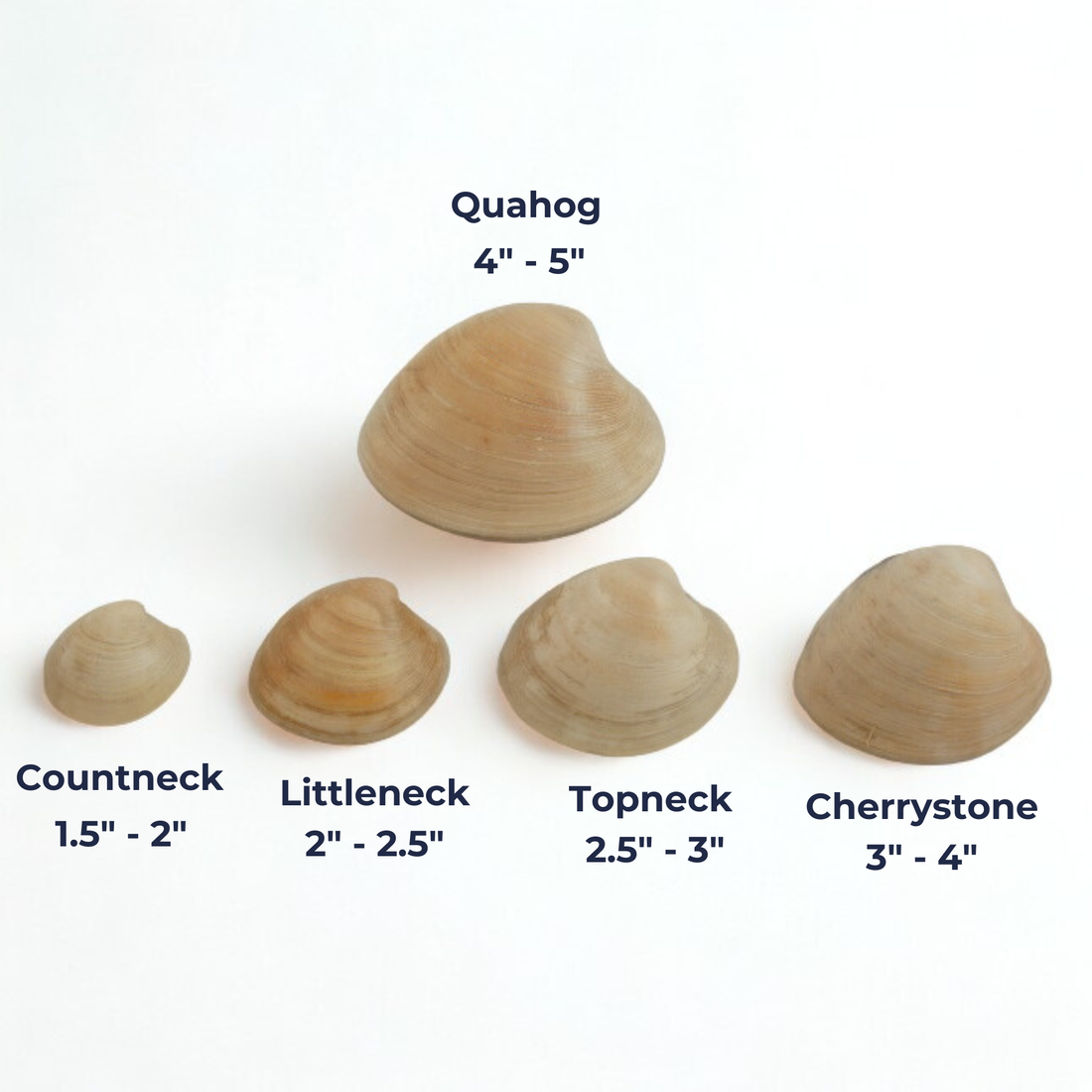
Yes. Countnecks, littlenecks, middlenecks, topnecks, cherrystones and chowder clams are all the same species: the northern hard clam, Mercenaria mercenaria. It is also called the hardshell clam or the quahog. A littleneck is simply a young, small quahog. Leave it in the water for a few more years and it becomes a topneck, then a cherrystone, then a chowder clam.
The word "quahog" comes from the Narragansett word poquauhock. In everyday New England use, "quahog" can mean any hard clam, but at the fish counter it usually means the largest size, the chowder clam.
Two of the size names come from places. Littlenecks are named after Little Neck Bay on Long Island, New York, and cherrystones are named after Cherrystone Creek in Virginia.
How Clams Are Measured
There are two common ways to measure a hard clam:
- ✓Shell width. The distance straight across the shell, the longest side. This is the number most seafood sellers use, and it is the shell width column in the chart above.
- ✓Hinge thickness (hinge width). How thick the clam is when it is closed, measured across the hinge. Shellfish laws use this number.
Restaurants and wholesalers also sell clams by count, meaning how many clams are in a pound or in a bag. That is why the chart gives a clams-per-pound number for each size.
Each Clam Size Explained
Countneck Clams
Countnecks are the smallest hard clams you can legally harvest, right at the 1 inch hinge minimum. They are the most tender of all and cook in just a few minutes. Many sellers group them with littlenecks, so you will often see them sold as "count/littlenecks." Use them in pasta, seafood stews and any dish where you want lots of small clams in the shell.
Littleneck Clams
Littlenecks are the most popular hard clam size. They measure about 1.5 to 2 inches across, and you get about 10 to 13 in a pound. The meat is small, sweet and tender, which makes them the classic clam for eating raw on the half shell. They are also the best size for steaming with garlic and white wine and for linguine with clam sauce (linguine alle vongole), because they open quickly and look good in the bowl.
Middleneck Clams
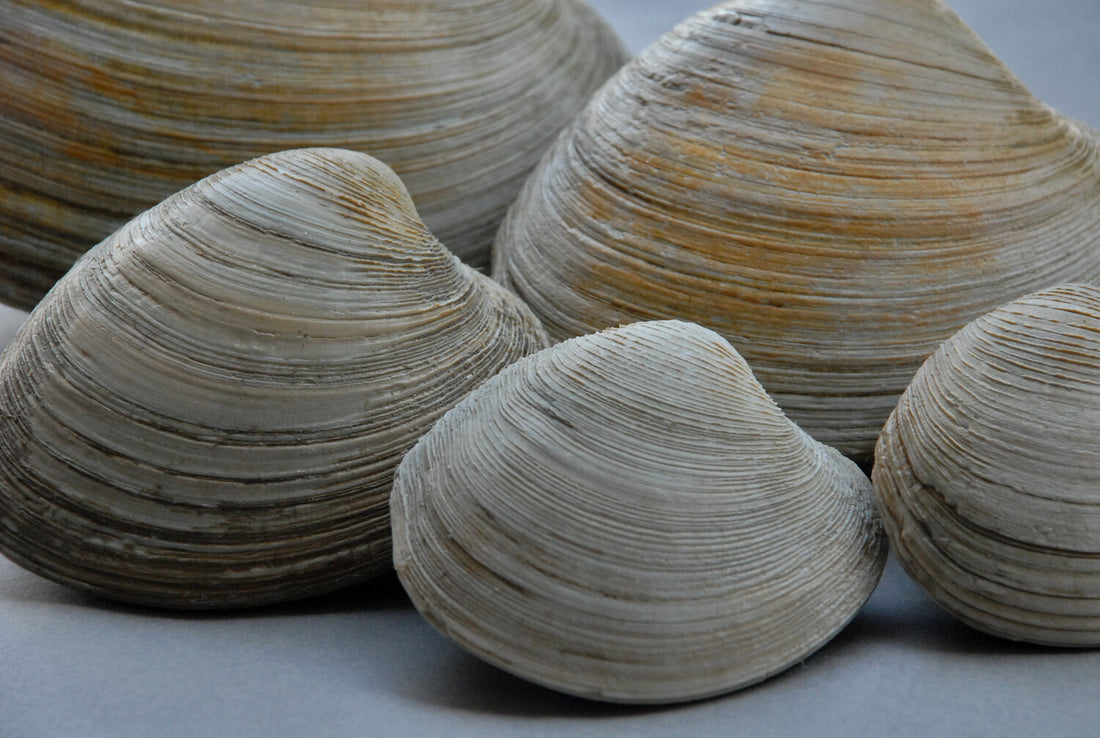
Middlenecks sit between littlenecks and topnecks, at about 2 to 2.5 inches across and 7 to 9 per pound. Not every seller uses this name. Use them the same way you use littlenecks: raw, steamed or in pasta. They give you a little more meat per clam.
Topneck Clams
Topnecks are medium hard clams, about 2.5 to 3 inches across and 5 to 7 per pound. They have a fuller flavor and a slightly firmer bite than littlenecks. Topnecks still work raw on the half shell, and they are a great size for grilling, steaming and appetizers served in the shell.
Cherrystone Clams
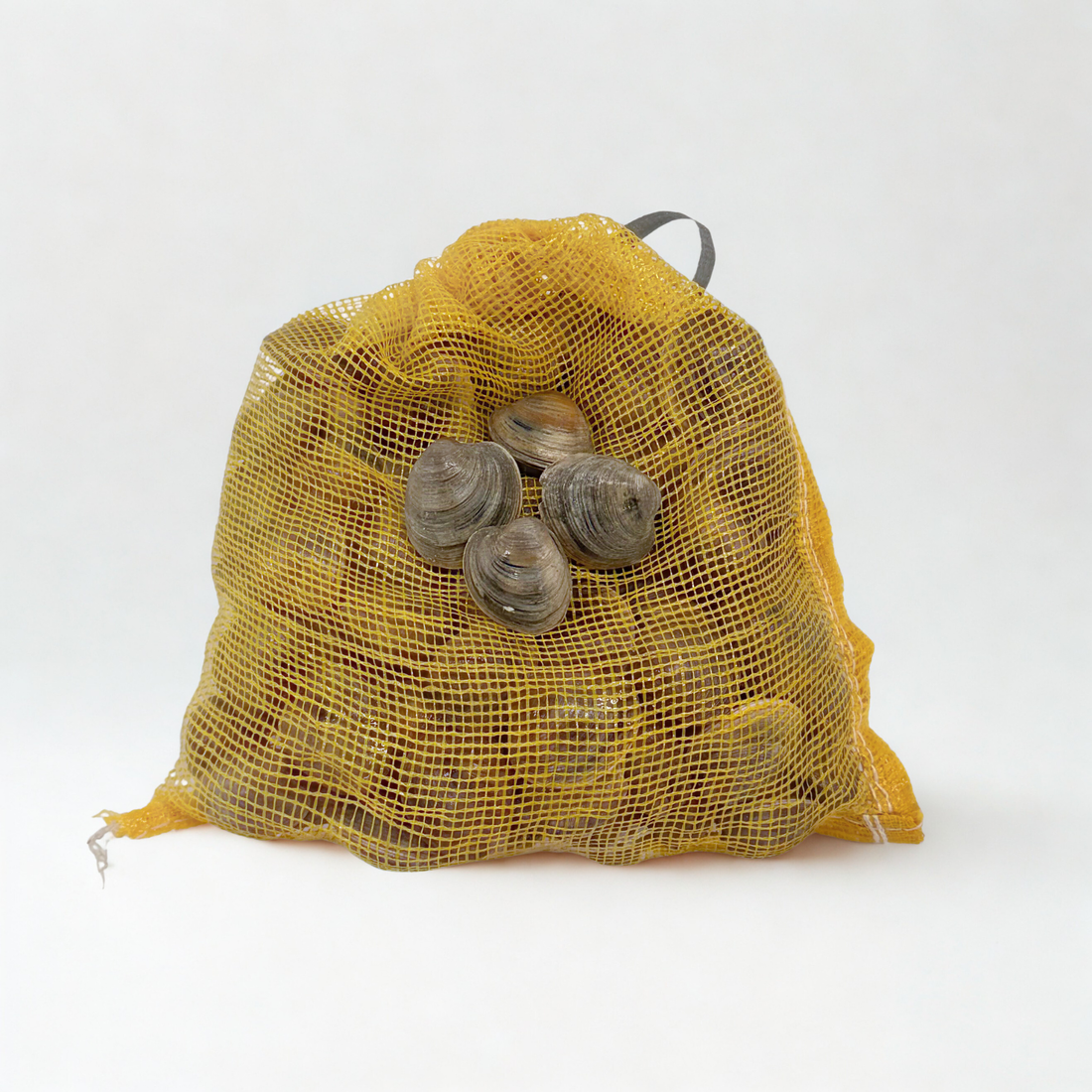
Cherrystones are large hard clams, about 3 to 4 inches across, with roughly 3 to 4 clams per pound. The meat is chewier and more flavorful, so cherrystones are usually cooked rather than eaten raw. They are the classic size for clams casino and baked or stuffed clams, because the big shell holds plenty of breadcrumb stuffing. They are also good grilled with herb butter or chopped into a thick chowder.
Chowder Clams (Quahogs)
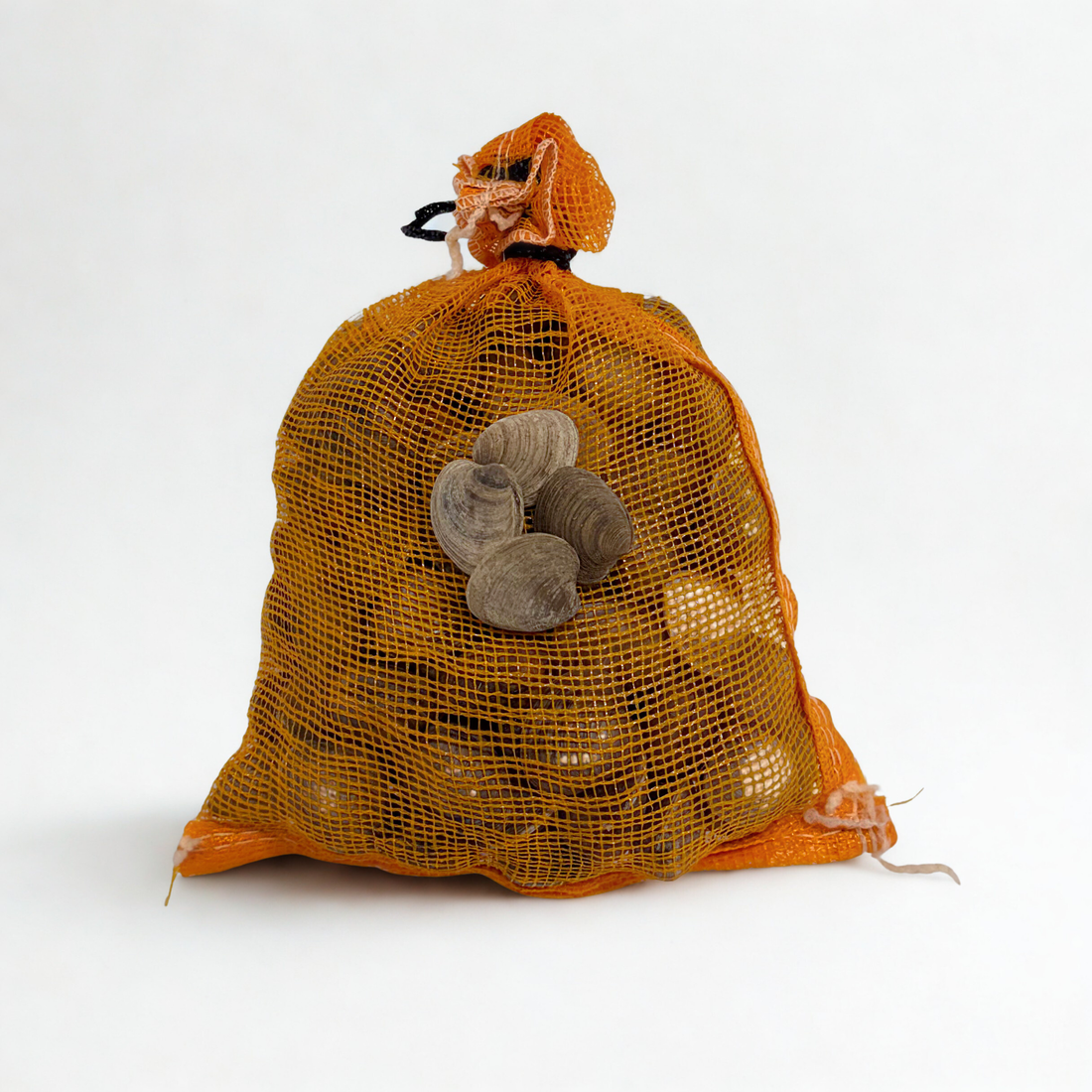
Chowder clams are the biggest hard clams, 4 inches across and up, at only 1 to 2 clams per pound. They are the oldest clams in the bed, and their meat is tough if you cook it whole. That is why they are almost always chopped or minced. In return, they give you the most meat and the most clam juice (clam liquor) per clam, which is exactly what you want for New England clam chowder, Rhode Island stuffies, clam cakes, fritters and clam pie.
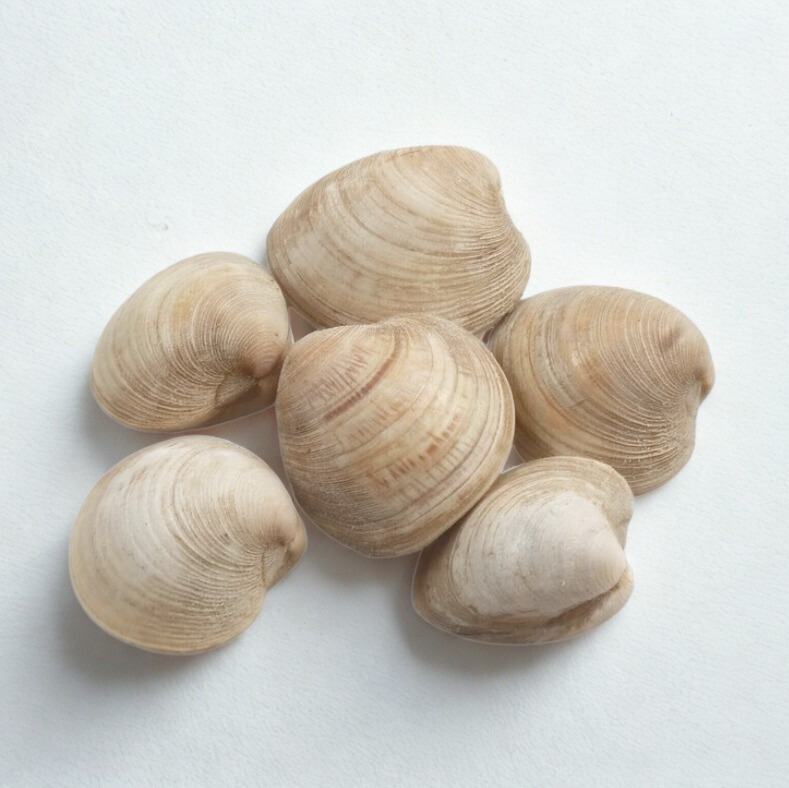
Littleneck vs Cherrystone vs Quahog
These are the three names people mix up the most. Here is the difference at a glance:
| Littleneck | Cherrystone | Quahog (chowder clam) | |
|---|---|---|---|
| Size across | 1.5 to 2 in | 3 to 4 in | 4 in and up |
| Per pound | 10 to 13 | 3 to 4 | 1 to 2 |
| Texture | Most tender | Firm and chewy | Toughest |
| Flavor | Sweet and mild | Stronger, briny | Strongest |
| Eat raw? | Yes, the classic raw clam | Usually cooked | No, cook and chop |
| Best dishes | Half shell, steamed clams, linguine | Clams casino, stuffed clams, grilling | Chowder, stuffies, clam cakes, fritters |
Which Clam Size Should You Buy?
| If you are making... | Buy this size |
|---|---|
| Raw clams on the half shell | Littlenecks or topnecks |
| Linguine with clam sauce | Countnecks or littlenecks |
| Steamed clams in wine and garlic | Littlenecks or middlenecks |
| Grilled clams | Topnecks or cherrystones |
| Clams casino or baked stuffed clams | Cherrystones |
| Rhode Island stuffies | Cherrystones or quahogs |
| New England clam chowder | Quahogs (chowder clams) |
| Clam cakes, fritters or clam pie | Quahogs (chowder clams) |
Can you swap sizes? Yes, with a little care. If a recipe calls for littlenecks and you only have bigger clams, chop the meat after cooking so it is not chewy. If a chowder recipe calls for quahogs and you use smaller clams, you will need more clams to get the same amount of meat and juice. For ready-to-use clam meat, chopped surf clams are another easy option for chowder.
Planning a party? See our seafood portion guide for how many clams to buy per person, or our guide on how to build a raw bar at home if you are serving littlenecks raw.
Why Clam Size Names Vary
There is no single national standard for clam size names. Aquaculture experts at the Southern Regional Aquaculture Center note that hard clam size categories are not standardized. In practice, that means:
- ✓The inch ranges change a little from one seller to the next.
- ✓Some sellers skip countnecks or middlenecks and use only three or four sizes.
- ✓A few regional sources even list topnecks as larger than cherrystones.
- ✓Farmed clam growers often add very small sizes, such as "button" and "pasta" clams, below the littleneck.
The order that almost everyone agrees on is: countneck, littleneck, middleneck, topneck, cherrystone, chowder. If you need an exact size, ask your seller for the count per pound. It is the most reliable way to compare.
Hard Clams vs Other Clams
This size chart is only for hard clams (quahogs). Other clams have their own names and are not graded this way:
- ✓Steamers are soft shell clams with a thin, brittle shell and a long neck. See our guide to New England steamer clams.
- ✓Surf clams are much larger ocean clams used for clam strips and chopped clam meat. Fried whole belly clams come from soft shell clams, not surf clams.
- ✓Razor clams have a long, narrow shell shaped like an old straight razor.
- ✓Manila clams are a different, smaller species, mostly farmed on the West Coast.
For a full look at every New England species, read our guide to the types of clams.
Frequently Asked Questions
Shop Hardshell Clams by Size
Our hardshell clams are wild Mercenaria mercenaria, harvested on the East Coast (North Carolina or Massachusetts) and shipped live in the shell. Choose littlenecks, topnecks or cherrystones on the product page.
More From Intershell
Keep exploring with these guides and recipes.
- Guide: Clams (New England Species)
- Homemade New England Clam Chowder
- New England Steamer Clams
- How to Build a Raw Bar at Home
Sources: Size ranges and counts are compiled from the Virginia Marine Products Board hard clam fact sheet, the Southern Regional Aquaculture Center (SRAC) hard clam fact sheet, Marx Foods and the Stonington Shellfish Commission. Legal size: Massachusetts regulation 322 CMR 6.20. Name origins: North Carolina Sea Grant and Wikipedia (Hard clam).